12 Steps to Prevent Mold Build Up

2

It’s not always convenient or necessary to call the big guns (i.e. Us) in to handle your mold situation. This is especially true, if you haven’t had any recent major water damage or recently had a problem solved by us.

While we recommend calling in professionals to handle any major mold issues, there are a few simple steps that you-the homeowner- can take to stop mold it its tracks…or at least hold it at bay.

Here are twelve simple steps to prevent mold growth.

Step #1 Never Leave Standing Water alone

This is probably very obvious to the more mold-conscious of us, however, there are some people who still allow standing water to remain for long periods of time. Mold grows very quickly; some molds can see significant growth in as little as 24 hours.

If you need proof, smell your wet laundry the next time you’ve left it out for a few hours without drying.

I know…gross, but we’ve all had rough weeks.

Back to the point. If you detect a faintly musty odor on your clothing, mold has already begun to grow in due to the moisture left behind.

Step #2 Regulate Your Humidity

This step may be arguably new to most of you since we rarely consider our humidity levels.

Humidity becomes a problem mostly during the summer and spring. The EPA recommends, maintaining humidity between 30 and 60% to prevent mold growth. Using a humidity meter, you can measure the humidity levels in your home. If they are above 55%, you may want to consider buying a dehumidifier or air conditioner to help maintain safe levels.

Step #3 Ventilate Your Homes

Mold THRIVES in homes that have poor ventilation.

This happens for two reasons. First, mold spores are transported by drafts and breezes, meaning they exist pretty much everywhere. Not having good ventilation means that mold spores brought in on the breeze, have more time to settle and grow in areas of moisture.

Second, poorly ventilated areas tend to allow condensation build up. Hot showers, venting dryers, cooking or even washing dishes with warm water, can cause condensation build up that could facilitate mold growth.

Step #4 Buy proper Air filters

Using a few filters spread out around the house, or a house-wide air filtration system can drastically reduce the number of mold spores flying around from room to room.

Step #5 Insulate your Ducts

Any ducts that carry air that is a different temperature from the rest of the house, can cause condensation build up if they aren’t properly insulated.

Because these things usually run in corners and dark places in your home, they can often create the PERFECT conditions for mold to grow and remain undetected for long periods of time.

Step #6 Stay on the Lookout for Stray Water

Being constantly alert for signs of any leaks can go a long way to preventing mold growth. Some signs of leaking are: persistent dampness, peeling paint, strange odors and discoloration of surfaces. You can also hire a plumber to check for leak detection.

Step #7 Keep Your Fridge and Freezer in Check

Taking steps to maintain properly a properly functioning fridge can drastically decrease your chances of developing a mold problem. Fridge and freezer doors that fail to close properly and malfunctioning drop pans are potential sources of moisture for mold growth.

1Step #8 De-clutter your house

Remember, mold loves dark, moist places. Having an overly cluttered home can cast shadows that then become a perfect home for mold to move in to. Clutter also blocks proper airflow, thus allowing mold spores time to find purchase on household surfaces.

Step #9 Try plastic plants

Yes, having indoor plants can be a great thing for your home. They bring oxygen and life to an environment. However, the soil that they need to survive, is ofte- no, DEFINITELY a breeding ground for various types of mold.

So instead of taking the chance, why not pursue some near-to-life plastic plants as replacements?

Step #10 Avoid Carpet floors

Carpets are perfect places for mold spores to get lodged in. They are also moisture vacuums and can create pockets that allow for moisture build up that can’t be seen with the naked eye. Know that musty smell you get in old houses? Yeah, it’s probably mold.

Step #11 Mold resistant products

If you’re building a new home or replacing parts of an older one, using products like mold-resistant drywall and mold-inhibitors in paint may be a smart decision. Especially if you live in a moisture prone area.

Step #12 Guide water away from your home

Rain and melting snow can cause problems for you, if the ground around your home isn’t sufficiently sloped away from your foundation. Try installing ground drainage to help prevent water build up in your yards.

Step #13 Don’t Go Too Crazy (Don’t worry, it’s an easy one)

Using just a few of these steps can dramatically lower your risk of developing a mold problem. While it may be better to use all of them (if they all apply to you), it’s pretty impractical. So don’t stress too much, choose a few and get started!

Always remember, if you discover a serious mold problem in your home, contact a professional team to let them handle it for you.


You’ve Found a Plumbing Problem: What’s Next?

Sooner or later, virtually all homeowners encounter some kind of problem that interferes with the smooth function of their household plumbing systems. Unfortunately, like many challenges in life, plumbing problems can occur at unexpected times and trigger significant disruptions in your tightly scheduled daily routine. Once your plumbing starts giving you trouble, the key question is: What you can do to minimize the disruption and return your system to good working order as soon as possible? Luckily, you can follow a few simple steps to uncover the extent of the problem and determine the most appropriate course of action.

Troubleshoot the Cause of the Problem

Most plumbing-related issues have more than one potential underlying cause. Before you decide to call a plumber or take care things yourself, consider taking a little bit of time to troubleshoot the specific source of the problem. The information you gather may provide vital clues for any professional you hire to carry out a repair. It can also form the basis for your own cost-effective, do-it-yourself repair efforts.

Troubleshooting High Water Usage

One of the most common, but overlooked, indications of plumbing problems is an unexpected increase in your household water usage, which typically translates into an unexpected increase in your monthly water bill. If you discover unexplained high water usage, start your troubleshooting efforts by listening for leaking pipes in your kitchen and bathroom(s). Since the average home is quite loud during busier parts of the day, you may need to perform this task toward bedtime or when you first wake up in order to catch the relatively subtle sounds of a slow leak. If the tank on a toilet is the source of your leak, you may have an easier time detecting the sound of constantly running water between flushes.

Troubleshooting Slow Drains

You may first notice the existence of plumbing problems when the water in a sink or bathtub starts emptying at an unusually slow rate. Naturally, you might assume that the problem is a localized clog in the connected drain line. In many cases, such an assumption would be correct. However, in other cases, the draining problems you notice in one sink or bathtub actually affect a larger portion of your plumbing system. You can distinguish localized problems from bigger issues by pouring water down multiple drains throughout your home and comparing the results.

Troubleshooting Low Water Pressure

Low water pressure is another fairly common plumbing issue. First, take the time to determine if pressure problems are affecting just one fixture or several fixtures throughout your household. Also take the time to determine if both the hot and cold water taps of each fixture have the same pressure issues.

If you have low water pressure in more than one area of your home, you may have a system-wide problem caused by things such as undetected leaks or mineral accumulations inside your plumbing lines. Other potential problems include a faulty system component called a pressure reducing valve or a faulty water meter shut-off valve. In some cases, the water pressure problems you experience may actually be caused by issues outside your home, such as leaking or broken water mains in your area.

Fix Minor Problems Yourself

In many cases, you can follow up your troubleshooting efforts with a do-it-yourself repair that helps you avoid calling for professional help. Depending on your willingness, personal experience and comfort level, common plumbing issues that may fall into the DIY category include dripping faucets, clogged drains, constantly running toilets, leaky pipes and low water pressure. You’ll have to decide for yourself whether you want to put in the time and effort required to successfully address these issues.

Repairing Dripping Faucets

Faucet dripping is commonly caused by wear and tear in the silicone or rubber washers that normally help form a watertight seal when a tap closes. You may be able to replace a damaged washer fairly easily. However, problems that extend beyond simple washer damage may require a plumber’s expertise. You also probably need a plumber if your dripping faucet has a ceramic tap.

Fixing Running Toilets

In most cases, you can successfully repair a constantly running toilet by replacing worn-out components located in the toilet tank. Essentially all hardware stores and home improvement stores sell kits that make the replacement process quite straightforward. If component replacement doesn’t fix the issue, you may need to call a plumber.

Fixing Leaky Pipes

Sometimes, you can temporarily stop pipe joints from leaking by applying something called a fitting compound or a joint filler. However, as a rule, only replacement of the leaking section will produce a permanent solution. Unless you feel confident removing a section of pipe, schedule an appointment with a plumbing professional.

Fixing Clogged Drains

Many people attack drain clogs with a chemical-based commercial drain cleaner. While these products often get the job done, they can damage your pipes if you use them frequently to deal with recurring clogs. As an alternative, you may want to try enzymatic drain cleaners, which use a combination of naturally occurring enzymes and bacteria to bust clogs. However, repeated clogging usually indicates that it’s time to contact a plumber.

Call a Plumbing Professional

As we’ve seen, you may need to call a plumber in order to successfully address some of the more minor problems that can affect your household plumbing. There are also times when you should avoid DIY solutions altogether and make a call to a plumbing professional your number one priority. Typically, these situations arise when the issue affecting your system is too complex or too hazardous for you to deal with on your own.

One of the prime examples of a situation that immediately calls for a plumber’s expertise is a leaking or collapsed sewer line. Failure to handle this hazardous scenario correctly can lead to contamination of your drinking water supply with pesticide residue or disease-causing microbes such as Salmonella or E. coli. Other situations that require expert plumbing assistance to ensure safety and high-quality work include leaks in a septic tank, malfunctions in your household water heater, and the installation of any new plumbing lines, new bathtubs/showers, or new sinks.

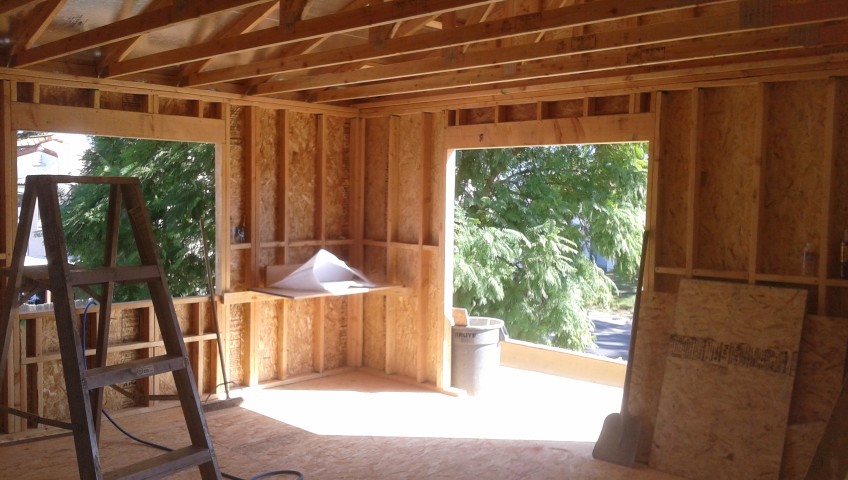
Second story addition done in San Diego

Second Stories – They Aren’t Always What They Seem

We’ve had the privilege of building so many second story add-ons in San Diego. They are super fun to build but definitely require more skill than a one-story room addition. Tying into an existing building and ensuring that the new floor is supported structurally is the primary concern. Both the code and General Contractor involved is focused or should be building the new room to be supported by the existing foundation. These days with the DIY, Houzz and remodeling glamour shows it seems to have created an ideology that contracting can be done by anyone with a pneumatic nailgun, some laborers and material/hardware. This, in fact couldn’t be farther from the truth. To find a good carpenter, general contractor is a craftsman that has an engineering mind but can gracefully transition the new structure aesthetically, while passing the inspection phases with flying colors. Although, we are still working on this second story here are some items most homeowners do not assume that can be extremely stressful/require talent to build. These are just a few misconceptions I’ve found that are usually lost from the conceptual idea to how building really happens on the field.

Are You Including A Deck?

Floor-ExampleGreat, I love to sip a cup of coffee in the morning outside too. But…keep in mind you will need a different elevation for these outdoor hangouts. With rain and other outdoor elements you need to channel water and debris toward one side (with drainage) so you do not have stagnant water. Controlled water is your best friend in construction, un-controlled water this is where you have issues. So it is essential you pitch the floor to avoid moisture issues and damage to fluid that would otherwise settle. Why are two elevation differences on one floor plan difficult? Well, just think in these terms – anytime you are doing more customization and do not build homogenously things get tricky. You will have to take the framing by each phrase and stop, build and carry on. It is much easier to build one uniform elevation where you have a production line of someone cutting your joists, someone passing them and someone installing. With a deck you likely need to take your time and complete one-phase looking at specific engineering plans and having the team cool there jets to avoid building errors.

Is There an Existing Foundation or Structure To Build On?

Are you breaking down the entire frame or do you have something to build off of? Remember matching or adding on to structures is not as easy as “new construction”. Many homeowners want to build a new room on top of a garage or existing structure and think “this should be easy, in fact – the work is already half done…just build on top!” Again, this isn’t true.

Let’s take building on top of a garage for example. Yes, you will have an existing base/structure assuming it is not effected by termites or in solid condition to build off. You need to take into consideration that the new floor to support the second story is likely to require different specs for the new weight and foot-traffic. After all a garage roof has the occasional roofer but mainly just has some wind and rain so of course adding furniture and other heavier items will likely change how the floor should be crafted. When taking out the existing garage roof you need to be cautious. Likely the garage door is fastened to the roof so how will you keep this in place or dis-assemble? Also when you take the roof out, you must tie off/support the existing walls. All of this may sound easy but in fact it requires an experienced specialist to avoid any injuries or huge damage to the house.

Do You Have Existing Architectural Plans/Designs?

DSC02094Taking imitative is a great trait and also it is very cool to work with homeowners that have an interest in remodeling. However, it is not always advised to take too much charge on remodeling. Again, be careful what you’ve watched or seen on TV. Most general contractors have a network of subs and vendors who they’ve worked with for years after filtering through and building trust. We’ve worked with our engineer/architect for over 10 years and it’s unlike a relationship that you can get from just handing over plans after one session. Our advice is to find a contractor or if architect you hire as a team. This is much smarter and will yield a much more professional timeline and save you money. By not having to redo plans or avoiding miscommunications you are streamlining your project. Also if you hire a general contractor that works with an architect they can refer to each other in regards to the carpentry, design and code vs having a disconnect during the project. You’ll want to hire a general that has subs that get along and make the project fun and structurally correct.

So there you have it, here are just some nuances I’ve seen that homeowners tend to overlook. With building back up it is as crucial as ever to hire an experienced professional as many contractors are getting back in the game. A good team will get your project closer to your ideal dream and you will save a great deal of money doing the task once, paying for materials and labor once.


Countertop Options: Marble or Laminate?

Countertop for kitchen San DiegoWhite marble is one of the most popular countertops right now. Out of every other countertop on the market, the white marble is sought after by so many. It’s been done quite well, over the years. While White marble is a favorite, there are pros and cons to using it. Below is a detailed account of the different pros and cons for the white marble countertop.

THE PROS:

1) It’s a lot cheaper then some of it’s contemporaries. Look around and do some window shopping. You will find that white marble is one of the least expensive materials to use for your kitchen countertops.

2) It looks nice. When you see the pictures of it online, the images hardly do it justice. You need to see it up close and personal. White marble will add a brightness to the room that you never had before. It’s also a natural brightness. Other materials have to try harder, sometimes too hard. White marble doesn’t have to try, it just does.

THE CONS:

1) One of the more obvious cons is that it stains. Nothing is perfect, not even white marble. If you leave something on the counter and it picks it up, you will have to work to get it out. You won’t have to spend all day on it, but you will need to use some elbow grease.

Laminate is another material that is used in the kitchen. It does look quite nice. Never underestimate the power of laminate. If you do use laminate, I have some tips on keeping up with the maintenance. As with any countertop, it does require some maintenance and laminate is no different.


THE PROS
:
1) Laminate countertops are non-porous. That means they won’t pick up the bacteria. This is a good thing. For this reason alone they are considered very low-maintenance. To clean the top, all you do is take a wet wash cloth and some mild soap. You can also use dish detergent, but make sure it’s mild. Once you have finished wiping it all down, wash it off. You need to clean up any leftover soap residue that is sticking to the surface. You will cause more damage to the surface by not doing this.

THE CONS:

2) Dry it all off after rinsing. You don’t want to have any pooling going on.

3) Never use bleach. If you do, only use a small amount. Bleach will cause major discoloration to the surface, as would any strong chemical. It’s also going to cause scratches on the surface and make it look nasty. After that, you might as well get a new one installed.

4) For stains, use the 3:1 ratio. Take baking soda and water, mix into a paste. Smooth over the stained areas and let sit for about 5 minutes. Once done, smoothly wipe away the paste. Never rub, that will cause more damage to the surface.

To keep the laminate surface looking new, never put hot items on the top.

Image Credit: White Marble Countertop – http://rickrobinsonbuilders.com

The Best Home Remodeling Ideas For Entertaining Next Year

Home remodeling contractors San DiegoDo you love to entertain at the holidays but feel your home lacks the right look, space or feel to accommodate a houseful of guests? There are plenty of easy remodel ideas to get your home holiday-ready for family and friends next holiday season.

Kitchen

Are you in the market for some new countertops? Granite countertops are rich-looking and extremely functional for entertaining. If your kitchen has space, adding a nice island can will you more cooking room for prepping for your gathering, and more serving-up space for goodies when guests arrive.

Good lighting in the kitchen is essential.

Overhead lighting is practical for overall kitchen light, while under cabinetry lighting is more functional for cooking tasks on the counters. If really love to entertain and whip up big meals for friends and family, consider upgrading your appliances to accommodate feeding larger groups of people. Stainless steel is always a hit, especially when it comes to resale value.

Dining room

A drab dining room doesn’t exactly give your guests a warm gathering place to eat their holiday meal. You can remodel your dining room with some simple changes to give it an eloquent, inviting appeal where guests can eat, mingle and enjoy the holidays with you.

Plain white walls

can give the room a sterile feel rather than a warm welcome. Add some color by painting the walls a darker color than the ceiling. If you don’t have trim or a chair rail, either will give your room a luxurious look and with a chair rail, you can two-tone your walls with a choice of lighter shade of paint above the chair rail and darker shade below.

Hanging an eloquent chandelier

above the dining table adds a dramatic look and focal point to the room. With light dimmers, you can control the amount of light for the type of entertaining you’re doing – brighter for more casual gatherings, and dimmer for more quaint.

Great room

The great room is where many people mix and mingle. You can remodel a great room starting with adding a warm splash of color to the walls. Create your focal points in the room, whether it be a large wall with large pieces of art, or your fireplace. You can change the look of your fireplace by adding a new mantle to give your fireplace a new appeal.

Arrange your furniture so guests can visit easily.

Not all rooms work best with furniture butted up against the walls. In larger rooms, bring furniture in closer to create a more quaint setting for visiting.

Have room for a free-standing bar?

It’s not always easy running back and forth to the kitchen to keep your guests’ drinks refilled. If you entertain often, consider remodeling a corner of your great room to accommodate a stylish bar and stools. You not only have easy access to beverages, but extra seating for your guests.

Outside lighting

Welcome your holiday guests with a well-lit sidewalk and entry. Lighting plays a big role in many aspects of your home: it will help accentuate the outside of your home, provide a welcoming entrance, and adds security measures to your property. Next holiday season your guests will love walking to your front door.

Image Source Credit: http://www.hgtv.com/design/hgtv-smart-home/2014/great-room-pictures-from-hgtv-smart-home-2014-pictures

Green Building Techniques

Going Green

Initially the idea of ‘going green’ sounds a little silly until you start paying attention to all the damage that we, as humans, do every day. When you start noticing how much of any affect, our actions have on the environment, it becomes abundantly clear that we need to change our behaviour in order to protect what we have left. Going green has become a go-to idea for almost every aspect of our lives, almost every industry is trying to adjust themselves and their operations to facilitate a transformation that business friendly and ecologically sound.

One of the most affected industries is the building industry. This opportunities around ‘going green’ in building and remodelling are enormous but they are often perceived as pricey. But going green isn’t all about the environment, it has plenty of benefits to for the home owner. The benefits of using the right materials and constructing your home with going green range from cheaper and more effective heating to careful water preservation. Not every homeowner needs to immediately purpose a solar heating system, there are a huge range of smaller changes you can make to turn your home into a more eco-friendly space.

Home construction and design San DiegoThe best tip anyone can give for planning on building or renovating your home is do your research. This seems like an obvious piece of advice to give but make sure you know what you are getting into before you dive head first. Make sure you know enough about the materials you are using and the design aspects you are employing to ensure that you will get the best eco-friendly home for your budget.

The most important aspect of going green is know what types of materials to use and what types of materials to avoid. This isn’t just about what piping to use in your plumbing but also what timber you can use and even what types of varnish are available. When you are designing the space you are renovating or building think about what you can use in the space that is recycled or what different types of natural materials are safe to use. This list includes knowing about where different types of timber and what types of cement and glass have been recycled.

Another useful thing to know is what little tricks can be employed to cheap things like water and electricity consumption down. These tricks include using a geyser blanket or tank heater. This ensures that your geyser doesn’t need to be on as often or for as long as usual. Along with this choosing the correct glass for your windows, with the correct glazing, that ensures that the heat of your home is preserved.  These tricks can seem surprising at first but are excellent tools for ensuring that your home is green and cost-effective.

Any home can be made eco-friendly with even the smallest of touches, and it doesn’t even need to be a costly adventure.
Visiting these sites may help:

http://www.bhg.com/home-improvement/remodeling/eco-friendly/environmentally-friendly-building-and-remodeling-materials/

http://www.greenbuildingsupply.com/


san diego room additon services

Design/Build Room Addition – What does it Involve?

There are a number of reasons why you may be considering a room addition or second-story addition for your San Diego home. Perhaps you have a new addition to your family on the way, need somewhere for guests to stay or simply require an office so you can work from home. Whatever your reason for considering a room addition or second story addition, you need to make sure you work with a reputable design-build contractor like SJB Construction that has experience in home remodeling in San Diego.

Here we will guide you through the custom design/build process to give you a better idea of the stages involved.

Initial consultation

After you have researched reputable design-build contractors in San Diego and have narrowed down your choice to a single company, they should offer you an initial consultation. Here at SJB Construction, we provide all prospective clients with a consultation with one of our in-house architectural designers. The point of this meeting is so that we can understand what the client is looking for in their custom design/build and work together to create the best architectural design to meet their needs and requirements.

No matter which contractor you go with, the consultation stage of the design/build process should not be rushed. We give clients as much time as they need to decide on their room addition / second story addition, after all it is a big decision to make!

All of our initial consultations take place at the client’s home so our in-house architectural designers can get a better idea of the space they are working with and provide clients a more accurate insight of their options.

Obtaining permits

Room addition service in San Diego

Before any construction can take place, whether it is a room addition or second story addition, it is important to make sure you have obtained the necessary permits. All renovations must comply with the San Diego code. Your contractor should remind you of the need to obtain permits and some will even apply for them on your behalf. Whilst we’re on the subject of keeping things legal, it is also essential that you check your contractor is licensed and insured before they carry out any work on your home.

Architectural planning

Some companies will send their architectural designers to the first consultation with an initial bid / price for the custom build, only to add on extra expenses later. This is something reputable contractors like us are not willing to do. Instead our architectural designers will go away and use 3D rendering software to create a mock-up of your room addition or second story addition. They will then organise another meeting with you so that you can check the plan and decide if you want to make any changes. Only when you are 100% happy will we talk figures. We are extremely transparent about our pricing and will provide a no obligation quote to ensure you are completely happy before committing to the project.

Assign On-Site Deliverables

The next stage of the design / build process for a room or second story addition involves assigning the timeline and contractors to remain consistent with flow of project. SJB Construction Inc. will oversee all of the work carried out on your home and will be your first point of contact for answering your questions. Basically they are there to meet your needs and requirements, monitor your budget, ensure your project is meeting time deadlines, and provide you with an excellent customer service.

Inspection

During the build process of your room addition or second story addition in San Diego, you will need to have it inspected by the local authorities. Your project manager will be able to inform you when these inspections need to take place for your specific build and should also organize them on your behalf. A final inspection will also need to take place when the build process is finished, as according to San Diego code a project is not complete for legal purposes until it has passed the final inspection!

If you have any questions about the design/build process or are considering a room or second-story addition to your San Diego home, feel free to give us a call on 1-619-726-7692.


home remodeling san diego

Architectural Designs for 2014

In today’s home there are an array of exciting trends to consider when buying or remodeling your home. The kitchen is still hub, but it’s starting to get really bright. Find an escape from your busy world in a bathroom retreat. Flex rooms offer space with the changing family dichotomy. Find creative inspiration for all that stuff you’ve collected over the years. The green revolution continues aggressively with the growing popularity of a passive home.

Kitchen’s Bold Look

Kitchens continue to be the gathering place in the home and bold colors are offsetting those dark cabinet colors and stainless steel appliances. Warm colors like yellows and reds are popular appetite stimulators, while silver, blue and green hues offer mellower tones. Desks and study areas continue to make this space a place of multitasking, drawing in all of the members of the family.

kitchen remodel san diego, Tips & Tricks how to improve your homeThe Bathroom Retreat

Bathrooms are going the way of the spa, with multi-headed showers, steam showers or stand-alone tubs. Ceramic tiles are still popular; either muted, like the favorite white subway tile, or with bright and fun accents of color. Electronics have made their way into the bathroom with unique sound systems and flat screen TVs. High-tech also continues to advance with water-saving features like a low-flow toilet with either a .8 gallon or 1.6 gallons per flush.

Flex Rooms

Flex rooms are a growing trend in family homes. Baby boomers are a big part of this move, as the elderly population is choosing to live with family due to financial constraints. These rooms offer options such as changing a den into a music room, nursery or study. For new home designs builders add a flex room to give the owner more options with their space. A flex room can work as a multi-functioning room such as a guest room, TV room or office by installing hidden Murphy beds to make it a guest room and clever built-ins to hide a TV and computer.

Creative Storage

People continue to accumulate a ridiculous amount of storage, just look at all of the storage rental places. But finding a place for all of this stuff in the home is not always easy. What about turning a functional staircase into a collection of drawers? Designers are coming up with unique and creative ways to hide your stuff.

Passive Home

Reduction in the consumption of home energy continues to be a prevalent trend in architecture and passive homes are answering the call. These homes are very well insulated, nearly airtight, and are heated by passive solar gain and from internal gains such as people or electronics. A small source of energy provides any additional heat. This system saves up to 90% on heating costs and a ventilator provides a constant supply of fresh air.

Today Is Tomorrow’s Trend

Many trends in today’s home still embrace the qualities of family and comfort, but there is a lot of changes to make home living more exciting. Technology continues to lead in home design by creating unique advancements that allow for a simpler living while saving you money. As the family changes, so do the more flexible home, offering creative uses of space. Today’s designs offer you an upbeat, relaxing, storable, and cool home.

Updating Your Kitchen: How Can a Contractor help?

As our needs fluctuate over time, our focus on kitchen remodeling will also follow suit. Just as any architectural model needs contractors to perform remodeling tasks well, so too kitchen remodeling projects. Add to this organized effort from the chosen contractor and we discover that some stimulating way to creating a dream kitchen is on the horizon of every homeowner.

Designing for Best Use of Space

The space in a kitchen is normally organized to provide one family’s needs, and working with a contractor provides a wealth of opportunities to enhance knowledge not only for a certain point of view but for refinement in details as well. An experienced contractor’s treatment of kitchen updating project is seen with a display of his or her skill and that itself is quite appealing.

Meaningful Benefits

Successful kitchen update is done not just by physical actions but is fully imagined before the tear-down process is begun. This requires much-concentrated thinking toward resolving potential problems while also creating meaningful benefits for the family. A contractor’s ideas always outperform those who have no experience with such tasks. Without a well-conceived plan from the start, you might end up redoing the previous plan with your time, money, and effort.

More Flexibility

Identifying the general outline for your new kitchen is a useful place to start while discussing design details with the contractor. Of greater importance is learning from the experience of the contractor about what makes a kitchen more functional and flexible, since they are major building blocks as well as reasons for every kitchen renovation.

Designing With Best Appliances

Which appliance you select as well as where you place it, greatly influences how well the kitchen will look in the end. Each appliance selection needs to be balanced properly with the rest of the elements in the kitchen at all times in form, size, color, and value. Your resulting kitchen design should carry anyone’s eye back and forth across the room in a rhythm. With the contractor’s help, you will be able to obtain a unified kitchen design, one that suggests a coherent unit where the elements have creatively blended into a satisfactory statement of objectives and all have come together very convincingly.

Saving Resources

Keep in mind that while updating a kitchen all by yourself is fun and exciting, going through a contractor will increase your property value when it is time to sell the house. Along with seeking professional help, you need to value the significance of the correct positioning of things in your new kitchen as well as the entire layout. Both experienced and knowledge bring in some desirable kitchen features as you look about a project. The flooring idea, for example, contributes to diminishing home value when they are out of proportion with respect to the color and theme of the room. Pantry area favorably suits only a few numbers of house types, and an island is not required when space is a constraint. General Contractors limit the design strategies only to those features that are truly important in the kitchen.

How long does your remodel take?

When homeowners decide to take on a big project and work with a general contractor in San Diego to construct an addition or oversee a room remodel, they often don’t understand the full scope of work that the contractor will need to accomplish to meet their needs.

A common complaint that homeowners have with contractors is that projects take longer than the initial estimate provided when the contract was signed. Although every project is different, there are a few things that can slow renovations down. Avoiding some of these sticky areas can help keep renovation projects on track and finished as soon as possible.

Room Addition

When a room addition occurs, it usually means the addition of square footage to the house. Any time a project increases a structure’s square footage, it likely means that appropriate permits need to be obtained. Permits are often a difficult area that can slow down a project. Homeowners should make sure they understand the regulations for obtaining the correct permits before work begins. Often, permit issues can cause work in the home to be halted until the problem is cleared up with the proper officials.

Second Story Addition

The addition of a second story also increases square footage, so the same permit issues apply with this type of project as well. In addition, homeowners may find they need to obtain permission from neighbors to increase the height of their structures, a process that could also call for public hearings or a period of public comment. If these issues aren’t straightened out before work starts, they can cause headaches for the homeowner and contractor alike.

Kitchen Remodel

Kitchen projects are often the most difficult and time consuming work that a contractor will take on. Many choices need to be made in planning out a kitchen makeover, and each of these decision points is also a possible slowdown point. Homeowners should do their research early, and decide on their selection of cabinets, countertops, appliances and hardware, so the contractor can order the correct pieces to complete the job. Leaving decisions to the last minute, or changing the fixtures or plans of a kitchen layout can be costly, and can also drag the remodel on much longer than anticipated.

Bathroom Remodel

Bathroom upgrades are similar to kitchen remodels in that many decisions need to be made, and should be handled early in the process. Because of the detailed plumbing work involved in bathroom makeovers, homeowners need to have their minds set on the layout and fixtures early in the process, to prevent major plumbing changes once walls have been put up, and floors have been laid down.

Planning Prevents Delays

For the majority of remodel jobs, the key to a successful project is proper planning and communication from the very beginning. Securing permits, making decisions on fixtures, and approving construction details while keeping an open dialogue with the contractor will ensure a speedy completion of most home improvement jobs.